AI influences before it buys.
Search, comparison, choice, checkout: customers do not delegate every step or every purchase in the same way.

Three days at RetailClub AI Festival. Agents, promises, practical examples — and one recurring question: what actually creates value?
Listen to episode 278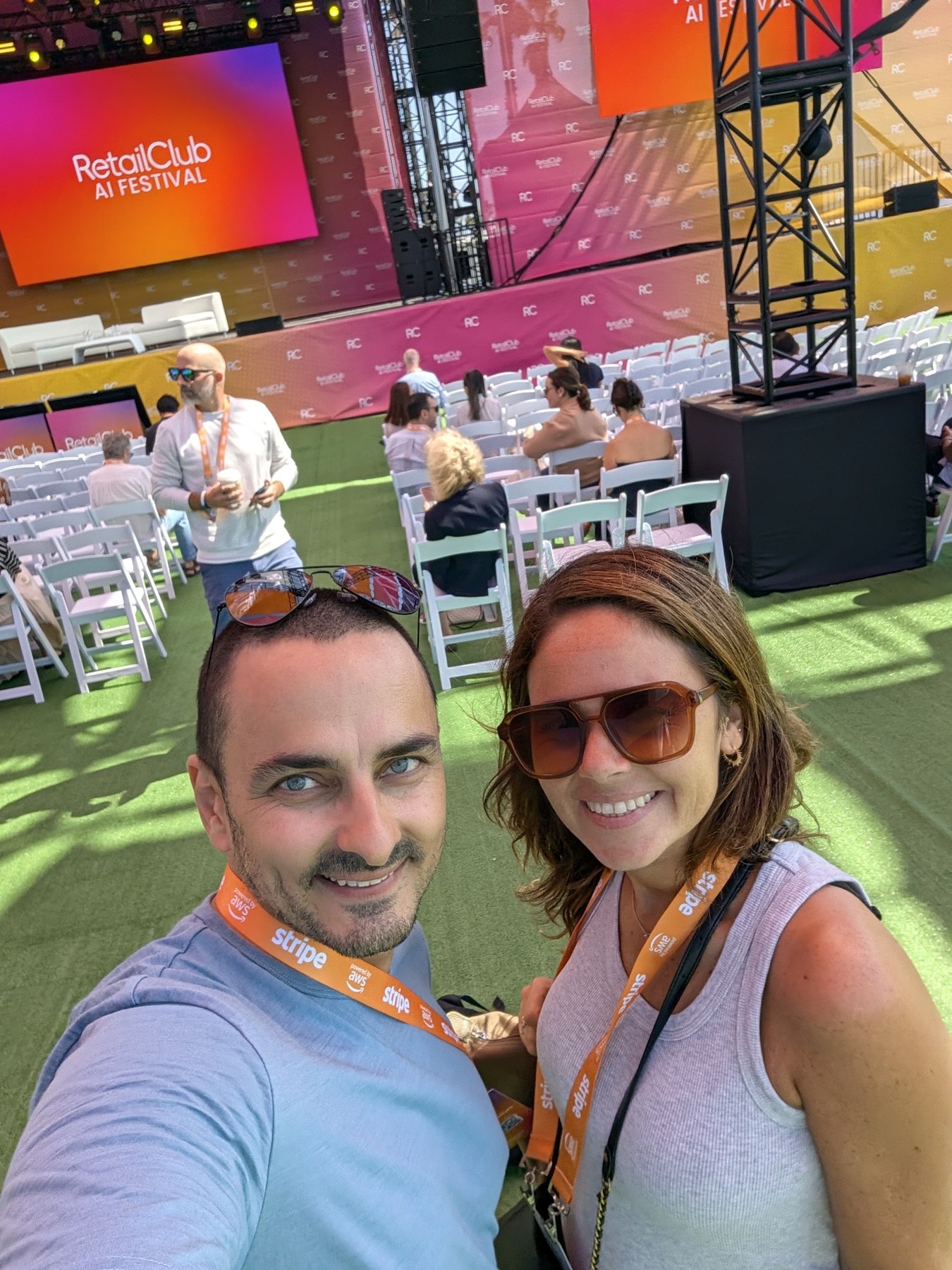
After NRF Europe, we headed to the Pacific. From September 22 to 24, we followed the talks, spoke with retailers and met technology teams at RetailClub AI Festival. Here is what we brought back from Huntington Beach.
Search, comparison, choice, checkout: customers do not delegate every step or every purchase in the same way.
Individual productivity gains do not establish an improvement in a company’s financial results.
Models, integrations, maintenance and human oversight: costs have to be assessed over time and at actual usage levels.
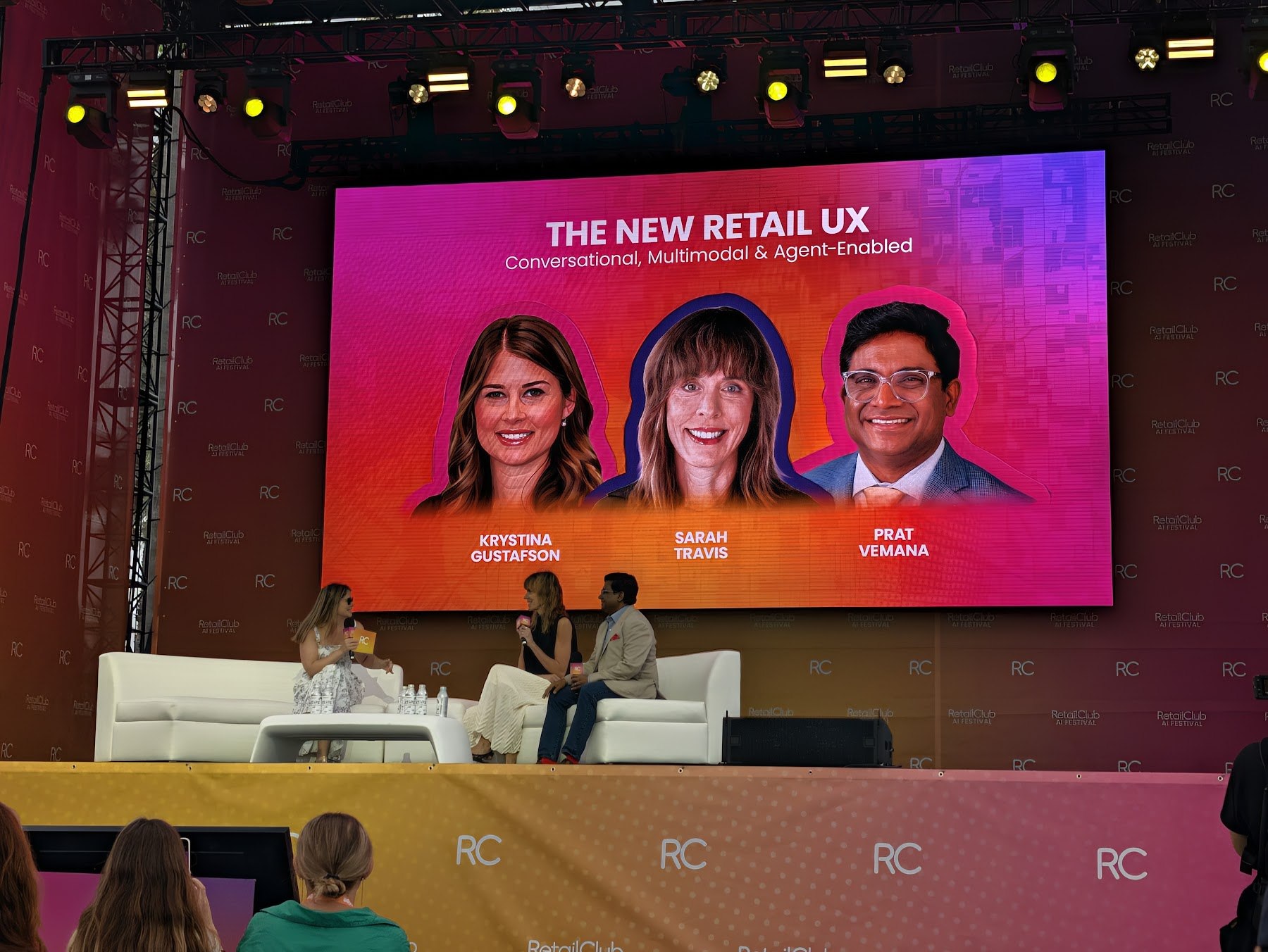
Influence, delegated purchasing and agent-to-agent interactions describe different uses. At Fanatics, LLMs still often support exploration before customers buy on the website. Target emphasizes customer missions: preparing a party, for instance, requires a coherent basket.
Our takeA repeat purchase, a gift and an expensive item call for different levels of autonomy. Websites, stores and human advice continue to matter.
Day 2 · What We Learned Launching Agentic Commerce (Fanatics). Day 3 · The New Retail UX (Target).
In Jacob Ader’s McKinsey presentation, 80% of respondents reported individual productivity gains. Separately, 6% of companies qualified as high performers, defined by an improvement of at least 5% in EBIT attributed to AI. These are two different measures.
Our takeThe question becomes how freed capacity translates into better service, growth or financial results. Counting users or pilots is not enough.
Day 1 · Benchmarking Your AI Maturity. Cross-industry survey presented on stage; a 5% EBIT improvement does not mean five additional margin points.
Amazon’s Amanda Doerr describes reassessing review summaries as models and expectations improve. Fanatics sees a lower barrier to building internally, while emphasizing the need for technical talent and the limited track record on maintenance.
Our takeBuying or building also commits you to running the system. Budget for model calls, integrations, checks and updates, then decide when an improvement justifies its cost.
Day 2 · The Future of Agentic Commerce & AI-Influenced Sales (Amazon); What We Learned Launching Agentic Commerce (Fanatics).
Parívie, co-founded with Paris Hilton, reports more than 33,000 customers and 15,000 active subscribers with eight full-time employees. The panel describes businesses that consider agents from the outset, with people responsible for the product, brand and judgment.
Our takeLook at the operating model and full costs: contractors, tools, tokens and existing marketing reach. Headcount alone does not establish profitability.
Day 1 · The New Challenger Brands. Figures reported on stage by Alexandra Marsh, Parívie.
Estée Lauder’s Melina Flabiano highlights the gap between customers asking for “vitamin C” and product pages describing an ingredient with a proprietary name. The task is to express benefits and uses in the customer’s language, including on retailers’ websites.
Our takeVisibility in AI answers starts with information that helps people choose. More attributes and more content can miss the point if they do not answer actual customer questions.
Day 3 · Best Practices for Brand Visibility & Discovery When AI Is the Gatekeeper. Estée Lauder, Steve Madden, AWS.
Jordan Berke of TOMORROW reports that 73% of the job postings studied that require AI fluency concern existing roles. At Whatnot, AI helps with inventory, shipping and distribution; sellers retain the personality, expertise and relationships that bring audiences back.
Our takeAdoption requires redesigning work with the teams doing it. Removing friction can free time for the advice and relationships that keep customers coming back.
Day 1 · The New Roles Retailers Need in an AI World. TOMORROW study of job postings. Day 3 · From Search to Serendipity (Whatnot).
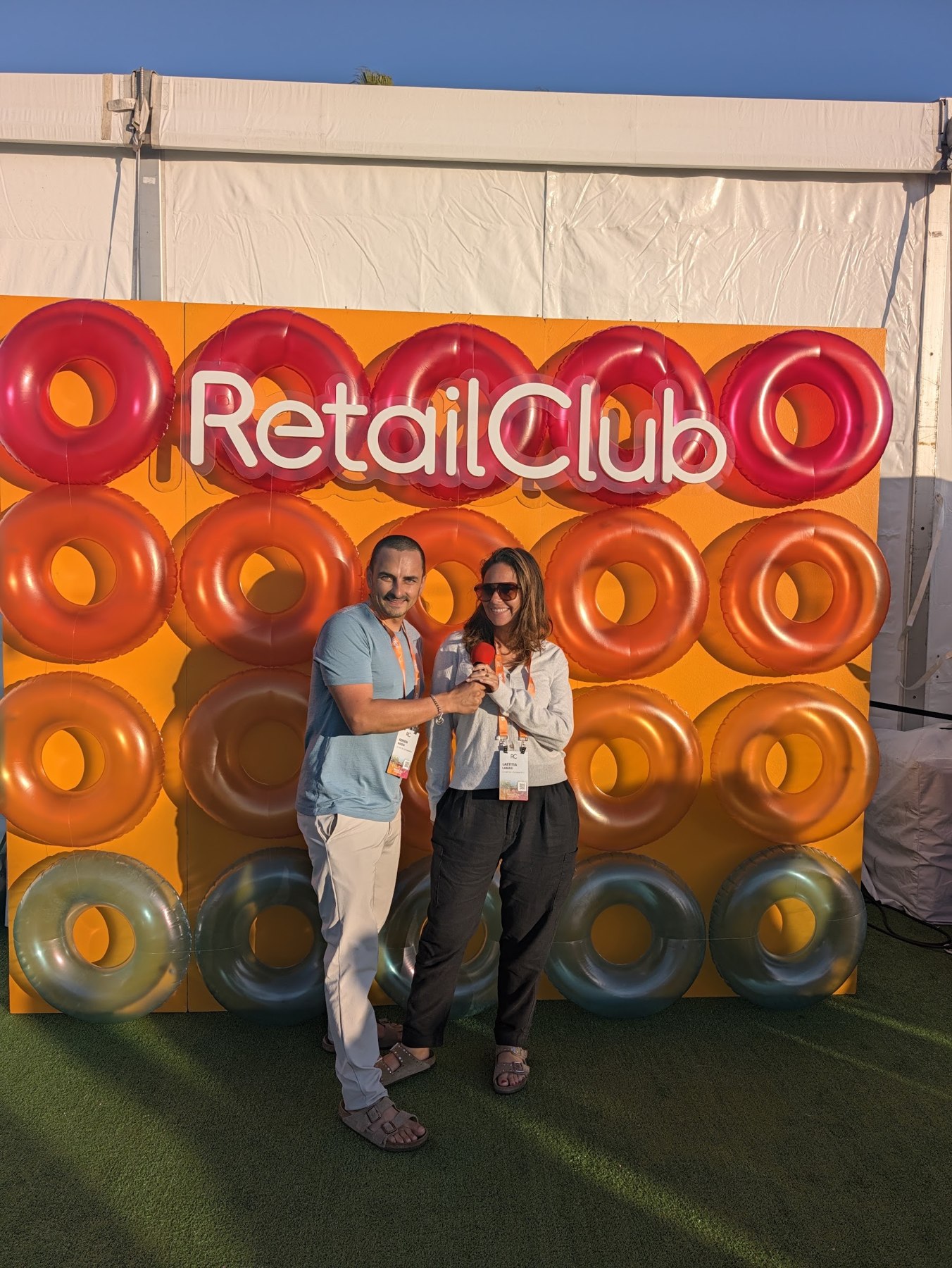
A selection from our meetings, booths and demonstrations. Descriptions summarize the companies’ propositions; they are not an independent validation of performance.
Enriching product catalogs and adapting content for websites, marketplaces and shopping agents.
Extracting, completing and validating product data for sales channels and AI agents.
Describing products with the attributes and language customers use.
Cleaning, enriching and distributing product data across commerce and advertising channels.
Monitoring prices and assortments, auditing product pages and structuring attributes.
Automating tests of ecommerce websites and applications using AI agents.
Optimizing prices based on business objectives and demand forecasts.
Personalizing and automating SMS and email marketing campaigns.
Deploying AI solutions across retail data, content and operations.
Managing identity and access to secure digital customer journeys.
Connecting and protecting stores through network infrastructure, security and on-site computing.
Le Café de l’E-commerce · RetailClub AI Festival special
Will agents make merchant websites disappear? Have AI-native brands found a lasting advantage? And who pays the bill after the demo? Adrien and Laetitia discuss all three days in episode 278.
Listen to episode 278French-language episode · Apple Podcasts
This page is an editorial selection based on LCDE notes, conference recordings, photographs and conversations from the festival. Speakers and session titles are tied to the official program. Figures reported on stage remain attributed to their speakers; conclusions labeled “our take” are our editorial analysis.